The Cultural and Societal Impact of Jueteng in the Philippines
Jueteng, a highly controversial numbers game operating outside the sphere of legality, has carved a significant niche within the cultural and societal fabric of the Philippines. Emerging during the Spanish colonial period, this game has remained a staple in local communities, despite attempts from both government and law enforcement agencies to clamp down on its operations.
Understanding Jueteng
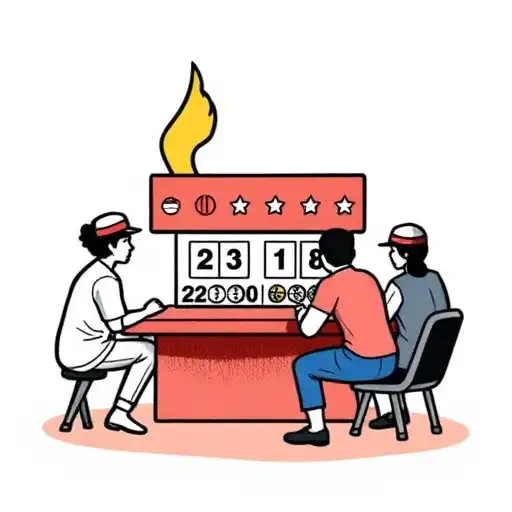
Jueteng is a simple numbers game traditionally played in communities across the Philippines. Its mechanics are straightforward: participants place bets on a combination of numbers, usually between 1 and 37. Winning numbers are drawn through a raffle-like process, with the draws orchestrated by local operators known as "cobradors." These operators maintain sleek operations deeply embedded within the local community, ensuring that jueteng remains pervasive.
The Appeal of Jueteng
The simplicity and accessibility of jueteng have fueled its widespread popularity. Unlike legitimate lotteries, jueteng provides instant gratification to its players by offering a quick turnover for bets and winnings without the need for formal registration or excessive documentation. This convenience factor, coupled with the chance of a relatively high payout, creates an alluring appeal for many Filipinos looking to improve their fortunes in an economic climate often perceived as restrictive.
Societal Influences and Challenges
The societal impact of jueteng cannot be overlooked. The game often operates with a cloak of secrecy, thriving on the complicity of various stakeholders who stand to benefit financially. These stakeholders range from local government officials to police officers, who may turn a blind eye in exchange for a share of the profits. This entrenched system of corruption poses a significant barrier to combating the jueteng epidemic across the country.
Cultural Integration
In many communities, jueteng is not merely considered a game. It has morphed into a cultural norm, serving as a communal activity that brings people together. In tightly-knit neighborhoods, it functions as a social event, where players share news, gossip, and camaraderie while anticipating the day's results. This sense of community attached to jueteng plays a crucial role in ensuring its survival and continuation, despite its illicit nature.
Legal Implications and Government Response
Despite being illegal under the current Philippine laws, jueteng continues to flourish due to irregular enforcement and the difficulty in dismantling its grassroots operations. Legal attempts to eradicate jueteng have been met with both resistance and outright failure. Various administrations have launched campaigns to quell the game, citing its corrosive impact on public morality and economic fairness. Yet, their efforts often falter due to both internal corruption and the sheer reach jueteng has within communities.
The "5BMW" Connection
The code "5BMW" has gained notoriety as a euphemism linked with high-stakes corruption. Allegedly, this moniker surfaces in conversations when players and operatives hint at significant bribes necessary to appease higher-ups who ensure the survival and protection of jueteng. While largely speculative, the mention of "5BMW" serves to illustrate the rumoured complex web of bribes and kickbacks that facilitate jueteng's persistence in Philippine society. The term epitomizes the shadowy dealings that form the backbone of the game's enduring existence.
Economic Factors and Public Perception
Economically, jueteng represents a grassroots entrepreneurial endeavor and an informal financial system for its players and operators. For many Filipinos, engaging in jueteng is seen as a viable alternative or supplement to formal income sources, particularly in regions where employment opportunities are scarce. This dynamic paints a complex picture of a game that is both condemned and relied upon in equal measure.
Public Attitudes
The public attitude towards jueteng is a dichotomy. Many regard it as a benign cultural pastime, while others see it as a pernicious vice that undermines societal progress. This split perspective is reflective of broader socioeconomic disparities and highlights the challenges law enforcement face in eradicating such entrenched practices. Over time, political administrations have struggled to navigate these perceptions, often finding their anti-jueteng policies met with both support and backlash.
Future Prospects
Jueteng's future in the Philippines remains uncertain. On one hand, it is deeply woven into the social and cultural tapestry of many regions. On the other hand, there is a concerted push by reformists and government agencies to curb and, ultimately, stamp out its existence. Whether through stronger enforcement, legitimizing components via official channels, or public education, the tactics to tackle jueteng will likely require profound shifts in societal attitudes and systemic restructuring.
Policy Considerations
To address jueteng effectively, new strategies must focus on dismantling the corrupt frameworks that support its operation. This entails significant reforms at both the local and national levels, ensuring transparent governance that leaves no room for complicity. Furthermore, alternatives for livelihood and community-building need to be explored, providing potential pathways away from reliance on illegal gambling mechanisms.
In conclusion, jueteng is more than a simple numbers game; it is a microcosm of the nuanced interplay between culture, economy, and governance in the Philippines. Its existence begs critical questions about the efficacy of policy enforcement, the role of informal economies, and the quest for equity in social practices. As the nation continues to grapple with these questions, jueteng remains a potent reminder of the challenges that lie at the intersection of tradition and law.